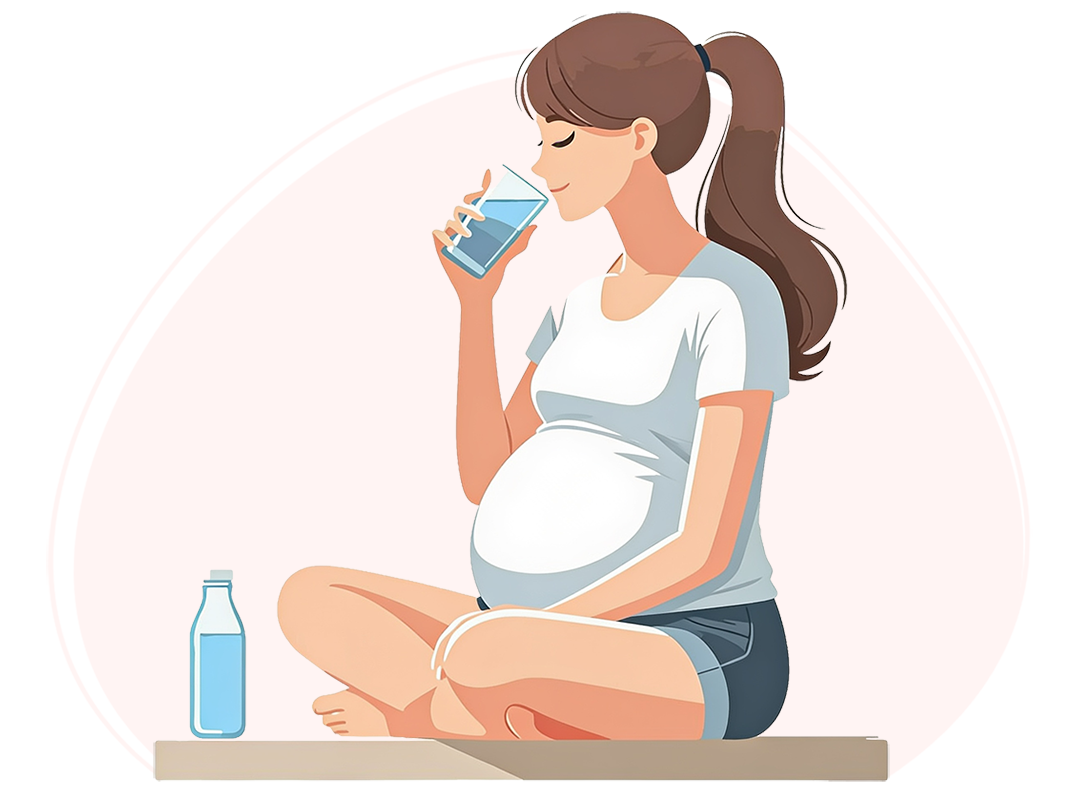
Adequate hydration plays a vital role in supporting both maternal health and fetal development. It helps regulate body temperature, aids digestion, supports circulation, and contributes to the healthy functioning of the placenta. Yet many pregnant women are surprised to learn just how significantly their fluid requirements increase during pregnancy.
At Obstetric Care, we regularly discuss the importance of hydration as part of comprehensive antenatal care. Understanding why hydration matters, recognising the signs of dehydration, and knowing how to maintain healthy fluid intake can make a meaningful difference to your pregnancy experience and overall wellbeing.
Why Does Hydration Matter More During Pregnancy?
During pregnancy, your body undergoes remarkable physiological changes. Blood volume increases significantly to support the growing baby and placenta, while the kidneys work harder to process additional waste products.
Water plays a role in almost every aspect of pregnancy, including:
- Supporting the development of the placenta
- Transporting nutrients and oxygen to your baby
- Regulating maternal body temperature
- Supporting digestion and preventing constipation
- Helping maintain healthy circulation
- Reducing the risk of urinary tract infections
Even mild dehydration can affect how you feel day-to-day, contributing to symptoms that many women already experience during pregnancy, such as fatigue, headaches, dizziness, and constipation.
Read: Preconception Care - How to Prepare for as Healthy Pregnancy
How Much Water Should You Drink During Pregnancy?
There is no single amount that is right for every woman, as hydration needs vary depending on body size, activity levels, weather conditions, and individual health circumstances.
However, most pregnant women should aim to drink around 2 litres of fluid per day as a minimum, with additional intake often required during hot weather, exercise, illness, or periods of increased activity.
It is important to remember that thirst is not always the earliest sign of dehydration. Developing the habit of drinking regularly throughout the day is often more effective than waiting until you feel thirsty.
Keeping a reusable water bottle nearby, particularly at work or when travelling, can make it easier to maintain consistent fluid intake.
Can Dehydration Affect Pregnancy?
Yes. While occasional mild dehydration is common and usually easily corrected, ongoing or significant dehydration can contribute to several pregnancy-related issues.
Some potential consequences include:
- Increased fatigue and low energy levels
- Headaches and dizziness
- Constipation
- Reduced concentration
- Urinary tract infections
- Increased Braxton Hicks contractions
In more severe situations, dehydration may require medical assessment and treatment, particularly if it occurs alongside significant vomiting, diarrhoea, fever, or an inability to keep fluids down.
Recognising the Signs of Dehydration During Pregnancy
Many symptoms of dehydration can overlap with common pregnancy symptoms, making them easy to dismiss.
Signs that you may need to increase your fluid intake include:
- Reduced urination
- Dark yellow urine
- Feeling thirsty frequently
- Dry mouth or lips
- Headaches
- Dizziness or light-headedness
- Fatigue
- Feeling unusually overheated
If symptoms persist despite increasing your fluid intake, or if you are struggling to keep fluids down due to nausea or vomiting, it is important to seek medical advice.
Hydration and Morning Sickness
Hydration can be particularly challenging during the first trimester when morning sickness is at its peak. Nausea and vomiting may make it difficult to drink sufficient fluids, increasing the risk of dehydration.
Many women find it helpful to sip small amounts regularly rather than trying to drink large volumes at once. Cold drinks, ice chips, diluted fruit juices, or herbal teas may be easier to tolerate during periods of nausea.
If vomiting becomes severe and prevents you from maintaining adequate hydration, medical assessment is important. In some cases, treatment may be needed to prevent complications associated with dehydration.
Read: Tips for Morning Sickness Relief and When to Seek Help
Hydration During the Second and Third Trimesters
As pregnancy progresses, hydration remains just as important through all of the three trimesters. In fact, fluid requirements often increase as the baby grows and maternal blood volume continues to expand.
During the second trimester, many women experience improved energy levels and reduced nausea, making it easier to maintain healthy hydration habits.
In the third trimester, however, hydration can become increasingly important for supporting circulation, helping regulate body temperature, and reducing the likelihood of dizziness or overheating. Some women also notice that dehydration can trigger Braxton Hicks contractions, which often improve after rest and fluid intake.
Regular hydration can therefore play a valuable role in promoting comfort during the later stages of pregnancy.
Are All Drinks Equally Hydrating?
Water remains the best choice for maintaining hydration during pregnancy, but it is not the only option.
Milk, diluted fruit juices, and certain caffeine-free beverages can also contribute to daily fluid intake. Foods with high water content, such as watermelon, cucumber, strawberries, oranges, and soups, can provide additional hydration.
It is advisable to limit sugary drinks where possible and to remain mindful of caffeine intake, which should stay within recommended pregnancy guidelines.
For most women, focusing on water as the primary source of hydration remains the simplest and healthiest approach.
Practical Ways to Stay Hydrated Throughout Pregnancy
Maintaining hydration does not need to feel like a chore.
Small habits can make a significant difference over time.
Many women find success by:
- Starting the day with a glass of water
- Carrying a refillable water bottle
- Drinking a glass of water with every meal
- Choosing water-rich snacks
- Increasing fluid intake during warm weather
- Taking extra care to hydrate before and after exercise
Building hydration into your daily routine often makes it much easier to achieve consistent fluid intake without having to think about it constantly.
How Obstetric Care Supports Healthy Pregnancy Habits
At Obstetric Care, we believe that healthy pregnancies are built on strong foundations. While advanced scans, monitoring, and specialist expertise all play an important role, simple lifestyle factors such as hydration can have a significant impact on maternal wellbeing.
Throughout your antenatal care, our team provides evidence-based guidance on nutrition, hydration, exercise, and pregnancy health. We take the time to understand your individual circumstances and help you make informed decisions that support both your wellbeing and your baby's development.
Whether you are in the early stages of pregnancy or approaching your due date, we are committed to providing personalised, expert-led care every step of the way.
Small Changes, Big Benefits
Hydration may seem like a simple aspect of pregnancy health, but its importance should not be underestimated. From supporting fetal development to helping reduce common pregnancy symptoms, adequate fluid intake contributes to almost every stage of a healthy pregnancy.
By making hydration a daily priority and seeking support whenever concerns arise, you can help create the best possible environment for both yourself and your growing baby.
At Obstetric Care, we are dedicated to helping women navigate pregnancy with confidence through expert advice, personalised support, and exceptional maternity care.