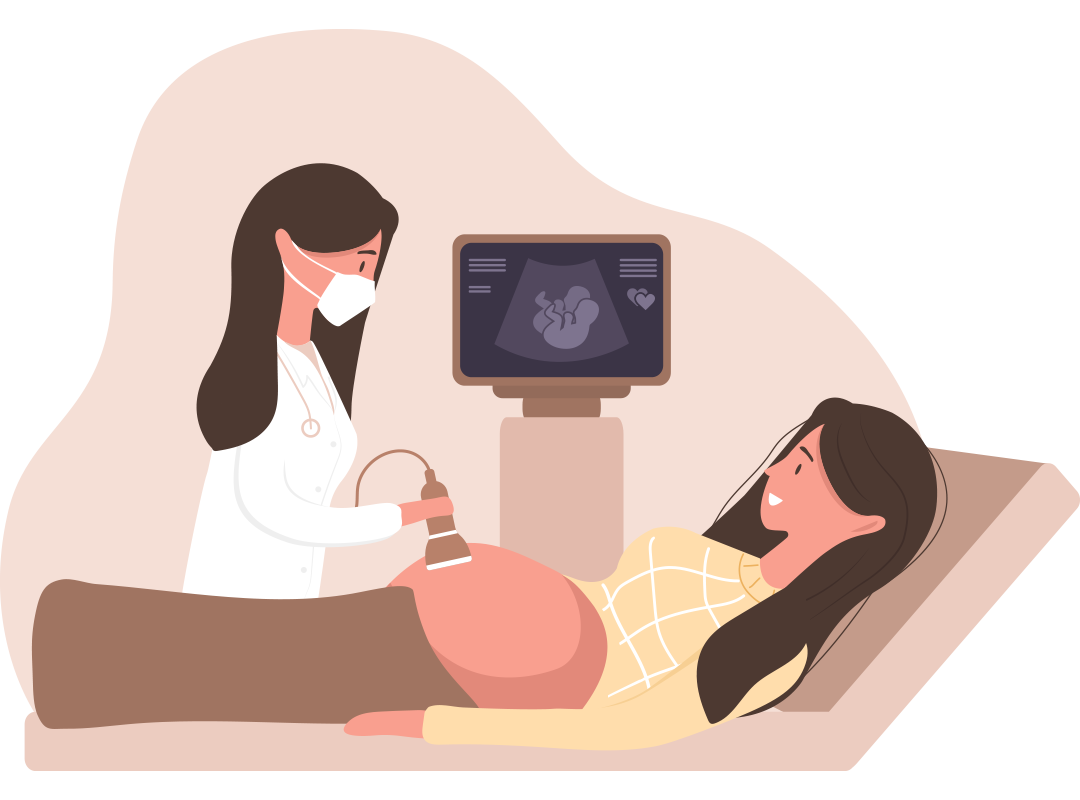
Finding out you're expecting twins can be both incredibly exciting and understandably a little daunting. From the moment you see those two heartbeats on the screen, your pregnancy journey changes along with the type of care you’ll need.
It's important to understand how care for multiples differs from a typical singleton pregnancy, and whether you're newly pregnant or preparing for birth, knowing what to expect can make a big difference in helping you feel confident and supported every step of the way.
Understanding Twin Pregnancies
Twin pregnancies can be categorised based on zygosity (identical or non-identical) and chorionicity (the number of placentas and amniotic sacs).
Identical (monozygotic) twins
Result from a single fertilised egg that splits into two embryos. Depending on the timing of the split, these twins may share a placenta (monochorionic or dichorionic) and/or an amniotic sac (monoamniotic or diamniotic).
Non-identical (dizygotic) twins
Arise from two separate eggs fertilised by two different sperms. They always have separate placentas (dichorionic) and amniotic sacs (diamniotic) .
Determining chorionicity and amnionicity early in pregnancy is crucial, as it influences monitoring and management strategies.
Enhanced Antenatal Care for Twin Pregnancies
Twin pregnancies are considered higher risk, necessitating more frequent and specialised antenatal care compared to singleton pregnancies.
Increased Monitoring
Expectant mothers of twins will have more regular appointments, including:
- Frequent ultrasounds: To monitor fetal growth, amniotic fluid levels, and placental function. For monochorionic twins, ultrasounds may be scheduled every two weeks from 16 weeks gestation onwards.
- Blood tests: To check for anaemia and other potential issues.
- Blood pressure and urine checks: To monitor for signs of preeclampsia and other complications.
Specialist Care Teams
Care is typically coordinated by a multidisciplinary team, including obstetricians, midwives, and sonographers experienced in managing multiple pregnancies. Here at Obstetric Care, my approach ensures comprehensive monitoring and timely intervention if complications arise.
Learn: Preconception Care - How to Prepare for a Healthy Pregnancy
Potential Complications in Twin Pregnancies
While many twin pregnancies progress without significant issues, they carry a higher risk of certain complications.
Preterm Birth
Twins are more likely to be born prematurely compared to singleton pregnancies, with approximately 50% delivered before 37 weeks. Premature birth can lead to challenges such as low birth weight, respiratory difficulties, bowel and neurodevelopmental problems .
Twin-to-Twin Transfusion Syndrome (TTTS)
A condition affecting monochorionic twins, exclusively, where blood flow between the twins becomes unbalanced, leading to one twin receiving too much blood and the other too little. TTTS requires prompt diagnosis and management to prevent serious complications .
Growth Discordance
Significant differences in the size or growth of the twins can indicate underlying issues, such as placental insufficiency or TTTS. Regular ultrasounds help detect and monitor these discrepancies.
Pre-eclampsia
The risk of developing preeclampsia is higher in twin pregnancies. Early use of aspirin, if required, and close monitoring of blood pressure is essential for early detection and management.
Birth Planning for Twins
Delivery planning in twin pregnancies involves careful consideration of various factors, including gestational age, fetal positions, and any complications.
Timing of Delivery
The recommended timing for delivery varies:
- Dichorionic diamniotic twins: Delivery is often planned around 37-38 weeks.
- Monochorionic diamniotic twins: Delivery is typically scheduled between 36- 37 weeks.
- Monochorionic monoamniotic twins: Due to higher risks, delivery may be planned around 32 to 34 weeks.
Mode of Delivery
The decision between vaginal birth and caesarean section depends on factors such as the positions of the babies, gestational age, and any complications. Vaginal delivery may be possible if the first twin is in a head-down position and there are no other concerns. However, a caesarean section may be recommended in cases of:
- Non-head-down position
- Monochorionic monoamniotic twins
- Previous uterine surgery
- Other medical indications
Learn: The Importance of Fetal Scanning in Modern Maternity Care
Emotional and Psychological Support
Carrying twins can be both physically demanding and emotionally overwhelming. At Obstetric Care, I fully understand the unique challenges that come with expecting multiples - from navigating the increased risks to coping with the day-to-day demands of a twin pregnancy.
With extensive experience in managing twin and multiple pregnancies, I offer not only advanced clinical care but also compassionate, ongoing support tailored to each individual’s journey.
Whether it’s your first pregnancy or you’ve been here before, I’m here to guide you throughout your exciting journey - with continuity, clarity, and genuine care.
If you’re expecting twins or planning a pregnancy and want to understand more about how my specialist care can support you, I’d love to hear from you.
Get in touch today to arrange a consultation at my private maternity unit in The Kensington Wing, London, or simply to ask any questions – I’m here to help you feel informed, supported, and in safe hands from day one.