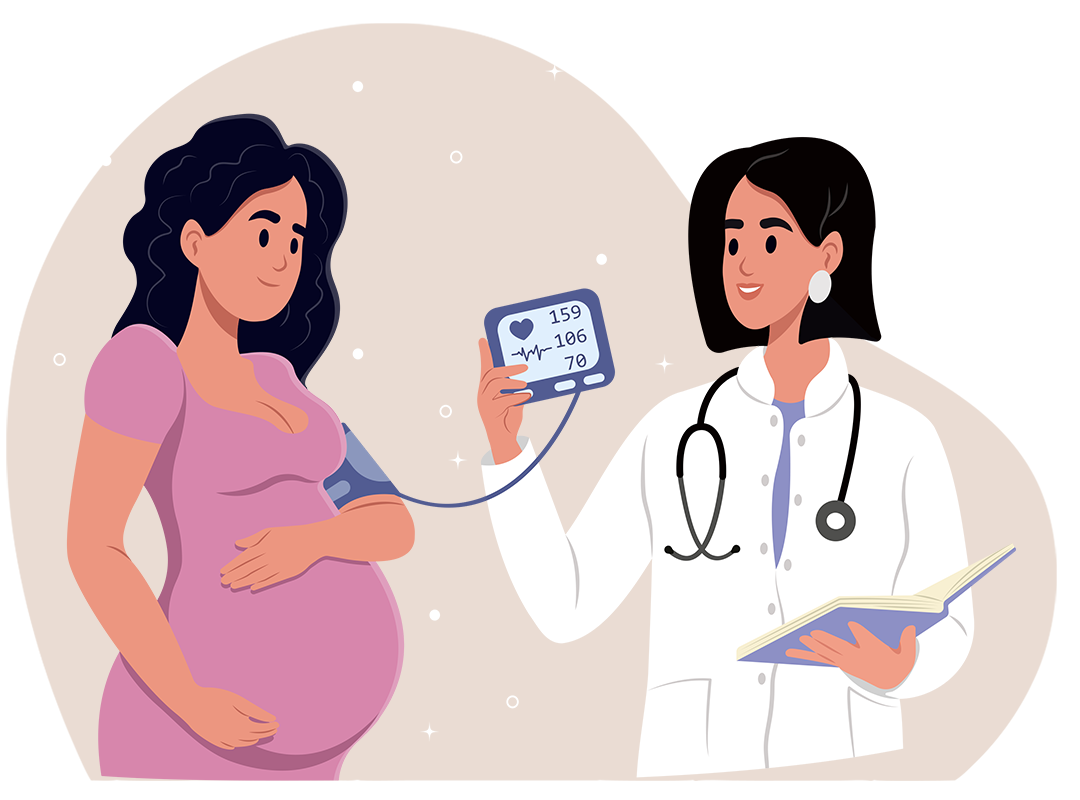
At Obstetric Care, we place a strong emphasis on early detection, careful monitoring, and personalised care throughout pregnancy.
Understanding what preeclampsia is, who may be at higher risk, and how it is managed can provide reassurance and help families feel more confident as pregnancy progresses.
This article explains the symptoms to watch for, the importance of monitoring blood pressure during pregnancy, and how specialist obstetric care helps protect both mother and baby.
What Is Preeclampsia?
Preeclampsia is a medical disorder that typically develops after 20 weeks of pregnancy and is characterised by high blood pressure along with signs that other organs, such as kidneys or liver, are affected. It is considered part of a group of conditions known as hypertensive disorders of pregnancy.
Although preeclampsia can vary in severity, it is taken seriously because it has the potential to affect both maternal health and the wellbeing of the baby if not managed properly. With modern antenatal care and regular monitoring, most cases are detected early and managed successfully.
In the UK, routine pregnancy care includes regular blood pressure checks and urine testing specifically to identify early signs of preeclampsia. These simple assessments are one of the most effective ways to keep pregnancies safe.
Why Preeclampsia Matters
In preeclampsia, the placenta, which is the organ that supplies oxygen and nutrients to the developing baby, is usually involved. When the placenta does not function as efficiently as it should, it can lead to slower growth or other complications.
For mothers, untreated preeclampsia can increase the risk of serious health problems, including severe high blood pressure, organ complications, and in rare cases, seizures (a condition known as eclampsia). There are also risks to the baby such as fetal growth restriction and premature birth. Fortunately, with attentive monitoring and modern obstetric care, these outcomes are uncommon.
Recognising the Signs and Symptoms of Preeclampsia
One of the challenges with preeclampsia is that symptoms can sometimes develop gradually or be mistaken for common pregnancy discomforts. Some women may not notice any symptoms at all in the early stages, which is why routine medical checks are so important.
However, there are certain warning signs that should never be ignored. These may include:
- Persistent headaches that do not improve with rest or simple pain relief
- Sudden swelling of the face, hands, or feet
- Blurred vision, flashing lights, or visual disturbances
- Pain below the ribs, particularly on the right-hand side or in the centre
- Nausea or vomiting later in pregnancy
- Feeling generally unwell or unusually fatigued
While these symptoms do not always indicate preeclampsia, they should always be assessed by a healthcare professional. Prompt evaluation allows us to identify potential problems early and provide reassurance or treatment where necessary.
Who Is at Higher Risk of Developing Preeclampsia?
Preeclampsia can affect any pregnancy, including those that have previously been uncomplicated.
However, certain factors are known to increase the likelihood of developing the condition. These include:
- First pregnancy
- Pregnancy after the age of 40
- Carrying twins or multiples
- Pre-existing high blood pressure
- Diabetes or kidney disease
- A family history of preeclampsia
- Obesity or a body mass index (BMI) above recommended levels
Having one or more of these risk factors does not mean preeclampsia will occur. Instead, it simply means that closer monitoring may be recommended as part of routine obstetric care.
At Obstetric Care, we take a personalised approach to risk assessment, ensuring that each pregnancy receives the level of attention and monitoring it needs.
How Preeclampsia Is Diagnosed
Diagnosis usually involves a combination of routine observations and laboratory tests. Most cases are first suspected during a standard antenatal appointment.
Assessment includes:
- Blood pressure monitoring
- Urine testing for protein
- Blood tests to evaluate liver and kidney function
- Ultrasound scans to monitor the baby’s growth and wellbeing
These investigations help determine the severity of the condition and guide decisions about ongoing care.
Importantly, diagnosis does not automatically mean hospital admission or early delivery. Many women with mild preeclampsia continue their pregnancy safely with regular monitoring and support.
Managing Preeclampsia During Pregnancy
The management of preeclampsia depends on several factors, including how severe the condition is, how far along the pregnancy is, and how both mother and baby are responding.
In mild cases, treatment may focus on close monitoring. This can involve more frequent antenatal appointments, regular blood pressure checks, and additional scans to ensure the baby is growing well.
In some situations, medication may be prescribed to help control blood pressure.
If preeclampsia becomes more severe, hospital care may be recommended to allow for closer observation and specialist treatment. In certain cases, delivery of the baby may be the safest option, particularly if the condition is affecting maternal or fetal health.
Our goal is always to balance safety with the best possible pregnancy outcome, ensuring both mother and baby receive the highest standard of care.
At Obstetric Care, we prioritise continuity and reassurance, ensuring that patients feel informed and supported throughout every stage of pregnancy.
Can Preeclampsia Be Prevented?
There is no guaranteed way to prevent preeclampsia, but certain strategies may reduce risk in some pregnancies.
For women identified as being at higher risk, low-dose aspirin may be recommended from early pregnancy. This approach is widely supported by clinical research and is commonly used in UK maternity care.
Maintaining a healthy lifestyle before and during pregnancy can also support overall wellbeing. Balanced nutrition, regular physical activity, and appropriate weight management all contribute to a healthier pregnancy environment.
However, even with careful planning, preeclampsia can still occur. This is why regular antenatal care remains essential.
Read: National Guidance on Maternal Nutrition, Pregnancy Weight, and Exercise
Life After Preeclampsia
Most women recover fully after delivery, and blood pressure typically returns to normal within weeks. However, experiencing preeclampsia once may slightly increase the likelihood of developing it in future pregnancies.
Long-term health awareness is also important. Research suggests that women who have had preeclampsia may have a higher risk of cardiovascular disease later in life, which makes ongoing health monitoring valuable.
At Obstetric Care, we provide guidance not only during pregnancy but also in the postnatal period, helping patients understand their health history and plan confidently for the future.
When to Seek Urgent Medical Advice
While routine monitoring keeps most pregnancies safe, certain symptoms require immediate medical attention.
You should seek urgent medical advice if you experience:
- Severe headache that does not improve
- Sudden changes in vision
- Intense abdominal pain
- Shortness of breath
- Reduced movements from your baby
We must reiterate, these symptoms do not always indicate a serious problem, but prompt assessment is essential to ensure safety.
How Obstetric Care Supports Safe Pregnancy
At Obstetric Care, we understand that concerns about pregnancy complications can feel overwhelming. Our role is to provide clear information, early detection, and compassionate support throughout your pregnancy journey.
We focus on proactive monitoring, evidence-based treatment, and personalised care plans tailored to each individual’s needs. By combining medical expertise with open communication, we help families feel confident and reassured during pregnancy.
Whether you are attending routine antenatal appointments, managing a higher-risk pregnancy, or seeking specialist guidance, our team is committed to protecting the health and wellbeing of both mother and baby.
Learn: High-Risk Pregnancies - What You Need to Know and How We Manage Them
Reassurance Through Knowledge and Care
Preeclampsia is a serious condition, but it is also one that modern maternity care is very well equipped to manage. With regular monitoring, early recognition of symptoms, and timely medical support, most women go on to have safe pregnancies and healthy babies.
Understanding the signs of preeclampsia and knowing when to seek advice can make a significant difference. At Obstetric Care, we are here to provide expert guidance, reassurance, and comprehensive obstetric care every step of the way.
If you have concerns about blood pressure in pregnancy or would like to discuss your individual risk factors, our team is always available to offer professional, supportive advice.