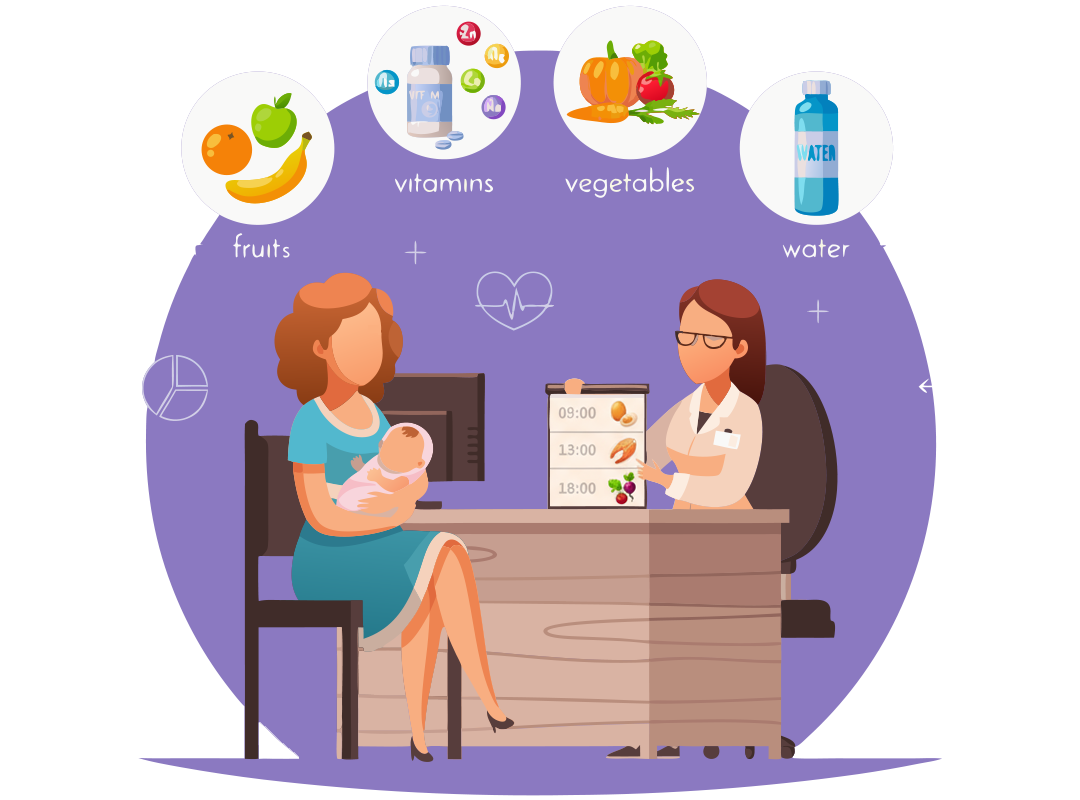
Why Postpartum Nutrition Matters
Your body has been through enormous physical and hormonal changes during pregnancy and birth.
Proper nutrition after delivery can help to:
- Rebuild strength and repair tissues following birth.
- Support breastfeeding, which increases energy and nutrient demands.
- Replenish iron and vitamins lost during pregnancy and birth.
- Stabilise mood and energy levels, reducing the risk of postpartum fatigue or low mood.
- Maintain long-term health, laying the foundation for your recovery and future wellbeing.
Key Nutrients for Postpartum Recovery
Protein - The Building Block of Healing
Protein is vital for repairing tissues, healing wounds (especially after a caesarean), and supporting muscle recovery.
Good sources: lean meat, poultry, eggs, beans, lentils, nuts, tofu, and fish.
Tip: Aim for a protein-rich food at every meal to keep energy stable throughout the day.
Iron - Replenishing What’s Lost
Many women experience iron deficiency following childbirth, particularly after significant blood loss. Low iron can cause delayed healing, fatigue, dizziness, and difficulty concentrating.
Good sources: red meat, chicken, oily fish, beans, dark green vegetables, and fortified cereals.
Pair plant-based iron sources with vitamin C-rich foods (e.g., citrus fruits, peppers) to boost absorption.
Calcium - Protecting Your Bones
If you are breastfeeding, calcium is essential for both you and your baby. Your body prioritises your baby’s needs, so an inadequate calcium intake can deplete your own stores.
Good sources: dairy products, fortified plant milks, tinned sardines (with bones), tofu, and leafy greens.
Omega-3 Fatty Acids - Brain and Mood Support
Omega-3s support your baby’s brain development and may reduce your risk of postpartum depression.
Good sources: salmon, sardines, mackerel, chia seeds, flaxseeds, and walnuts.
Vitamin D - Immunity and Bone Health
Vitamin D is particularly important if you’re breastfeeding, as your baby relies on your intake and stores. In the UK, supplements are usually recommended, especially during autumn and winter when sunlight is limited.
Fibre - Supporting Digestive Comfort
Constipation is common after delivery, particularly if you had stitches or are taking iron supplements.
Good sources: wholegrains, fruits, vegetables, beans, and lentils.
Hydration is equally important - aim for at least 6-8 glasses of water daily.
Nutrition for Breastfeeding Mothers
Breastfeeding increases your daily energy needs by approximately 300-500 calories per day, but this does not mean you need to “eat for two”. Instead, focus on nutrient-dense foods to provide both you and your baby with what you need.
Foods That Support Breast Milk Production
While no single food guarantees increased milk supply, a balanced diet helps maintain lactation.
Some women find the following beneficial:
- Oats, barley, and wholegrains.
- Dark leafy greens.
- Nuts and seeds.
- Garlic and ginger.
Hydration and Breastfeeding
Breastfeeding can make you feel more thirsty than usual. Keep a glass or bottle of water nearby during feeds and aim for at least 2 litres per day.
Caffeine and Alcohol
- Caffeine: Safe in moderation, but limit to around 200mg per day (about two mugs of instant coffee).
- Alcohol: Ideally avoid, but if you choose to drink, wait at least 2–3 hours before breastfeeding to minimise transfer to your baby.
Read: National Guidance on Maternal Nutrition, Pregnancy Weight, and Exercise
Foods to Limit or Avoid in the Postpartum Period
- Highly processed foods - these provide little nutritional value and may worsen fatigue.
- Excessive sugar - while tempting for quick energy, it can cause crashes in mood and energy.
- Certain fish - avoid high-mercury fish such as shark, swordfish, and marlin while breastfeeding.
Practical Tips for Postpartum Eating
- Plan ahead: Stock your freezer with healthy meals.
- Snack smart: Keep healthy snacks like nuts, fruit, yoghurt, or oat bars handy for late-night feeds.
- Accept help: Allow family or friends to bring nourishing meals so you don’t skip proper eating.
- Small, frequent meals: These can help stabilise blood sugar and maintain energy.
Emotional Wellbeing and Nutrition
Nutrition doesn’t just affect the body - it also plays a role in emotional health. Stable blood sugar levels, adequate omega-3 intake, and sufficient iron and vitamin D all support mood regulation.
Combined with adequate rest and psychological support, a well-balanced diet can help reduce the risk of postpartum depression and support overall emotional resilience during this demanding time.
How Obstetric Care Can Support Your Postpartum Nutrition
At Obstetric Care, we understand that recovery and breastfeeding bring unique challenges. Our role goes beyond antenatal care - we provide individualised postpartum support, including:
- Personalised nutritional guidance tailored to your health, delivery, and feeding choices.
- Specialist advice for mothers with caesarean recovery, anaemia, or gestational diabetes.
- Holistic postnatal check-ups to ensure both physical and emotional wellbeing.
Giving Yourself the Care You Deserve
The postpartum period is a time to nurture both your baby and yourself. A well-balanced, nutrient-rich diet supports recovery, boosts energy, and provides the foundation for successful breastfeeding. At Obstetric Care, our team are here to guide you through this crucial stage, offering professional expertise, personalised advice, and compassionate support.
If you would like to learn more about how we can help you optimise your recovery and support your breastfeeding journey through tailored nutrition, get in touch with Obstetric Care today.
Your health matters - because when you're well, your baby thrives too.