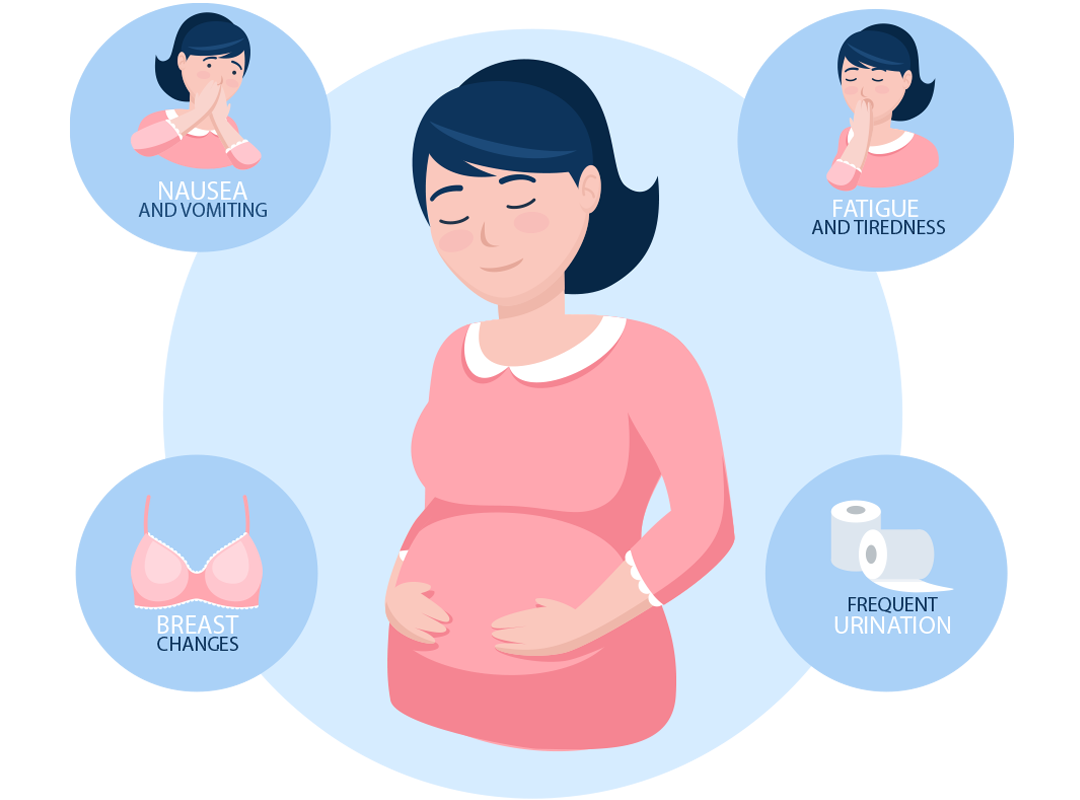
At Obstetric Care, we support women throughout every stage of pregnancy, and early pregnancy is no exception. Recognising the common signs, understanding why they occur, and knowing when to seek advice are all essential parts of a healthy and confident pregnancy journey.
Why Do Early Pregnancy Symptoms Occur?
Early pregnancy symptoms are largely driven by hormonal changes, particularly increases in human chorionic gonadotropin (hCG), oestrogen, and progesterone. These hormones play a crucial role in supporting the developing pregnancy, but they also affect many systems in the body - from digestion and energy levels to mood and sleep.
While symptoms can vary significantly from one woman to another, and even between pregnancies, most are completely normal and tend to settle as the body adjusts.
Most Common Early Pregnancy Symptoms
1. Fatigue and Low Energy
One of the earliest and most frequently reported symptoms is fatigue. Many women describe an overwhelming sense of tiredness, even in the first few weeks.
This is largely due to rising progesterone levels, which can have a sedative effect, as well as the increased demands the body is placing on itself to support early pregnancy.
How to manage it:
- Prioritise rest and listen to your body
- Maintain a balanced diet to support energy levels
- Stay hydrated throughout the day
- Gentle movement, such as walking, can sometimes improve energy
Fatigue often improves during the second trimester, but in early pregnancy, it is important to allow your body the time it needs to adapt.
Learn: Understanding the Three Trimesters of Pregnancy
2. Nausea and Morning Sickness
Nausea - often referred to as morning sickness - is another very common early pregnancy symptom. Despite the name, it can occur at any time of day.
For most women, it begins around 6 weeks and improves by 12-14 weeks, although in some cases it can persist for longer.
Helpful strategies include:
- Eating small, frequent meals rather than large portions
- Avoiding foods or smells that trigger nausea
- Keeping simple snacks nearby, such as plain crackers
- Staying well hydrated
For more persistent or severe symptoms, it is important to seek medical advice, as treatment options are available.
3. Breast Tenderness and Changes
Hormonal changes can cause the breasts to feel tender, swollen, or more sensitive than usual. Some women also notice darkening of the areola or increased prominence of veins.
These changes are part of the body preparing for breastfeeding and are entirely normal.
Wearing a well-fitted, supportive bra and avoiding unnecessary pressure can help reduce discomfort.
4. Frequent Urination
Many women notice an increased need to urinate early in pregnancy. This is due to hormonal changes and increased blood flow, as well as the kidneys working more efficiently.
Although this symptom is usually harmless, it is important to stay hydrated rather than reduce fluid intake.
If urination becomes painful or is associated with discomfort, medical advice should be sought to rule out infection.
5. Mood Changes and Emotional Sensitivity
Hormonal fluctuations can also affect mood. It is not uncommon to feel more emotional, sensitive, or prone to mood swings in early pregnancy.
This can be influenced not only by hormones but also by the emotional adjustment to pregnancy itself.
Taking time to rest, talking openly with supportive people, and maintaining a balanced lifestyle can all help. If mood changes feel overwhelming, professional support is always available.
6. Food Aversions and Cravings
Changes in taste and smell are another hallmark of early pregnancy. Foods you once enjoyed may suddenly seem unappealing, while new cravings may develop.
These changes are thought to be linked to hormonal shifts and may also serve as a protective mechanism.
The key is to maintain a balanced diet overall, even if preferences change temporarily.
7. Bloating and Digestive Changes
Progesterone relaxes smooth muscles throughout the body, including the digestive system. This can lead to bloating, constipation, or a feeling of fullness.
To help manage digestive symptoms:
- Increase fibre intake gradually
- Drink plenty of fluids
- Engage in gentle physical activity
- Eat smaller, more frequent meals
These simple adjustments can often make a noticeable difference.
Read: Maternal Nutrition, Pregnancy Weight, and Exercise
8. Light Spotting or Cramping
Some women experience mild cramping or light spotting in early pregnancy. This can occur as the fertilised egg implants into the lining of the uterus and the uterus gets bigger.
While this can be completely normal, any bleeding during pregnancy should always be assessed to rule out other causes.
When Should You Seek Medical Advice?
While most early pregnancy symptoms are normal, there are certain situations where medical advice should be sought promptly.
These include:
- Severe or persistent vomiting (which may indicate hyperemesis gravidarum)
- Heavy bleeding or significant abdominal pain
- Persistent headaches or visual disturbances
- Painful urination or signs of infection
- Sudden or concerning changes in symptoms
At Obstetric Care, we encourage patients to seek reassurance whenever something does not feel quite right. Early assessment is always the safest approach.
Supporting Your Health in Early Pregnancy
Managing early pregnancy symptoms is not just about addressing discomfort - it is also about supporting your overall health and wellbeing during a crucial stage of development.
A few key principles can make a meaningful difference:
Maintaining a balanced, nutrient-rich diet helps support both maternal health and early fetal development. Staying hydrated, getting adequate rest, and incorporating gentle movement into your routine can also support physical and emotional wellbeing.
Equally important is attending early antenatal appointments, where your pregnancy can be monitored and any concerns addressed promptly.
The Role of Specialist Obstetric Care
Early pregnancy can bring a mixture of excitement and uncertainty, particularly if symptoms feel intense or unfamiliar. Having access to specialist care provides reassurance, clarity, and expert guidance at every stage.
At Obstetric Care, we offer personalised, attentive support from the very beginning of pregnancy. Whether you are experiencing common early symptoms or have specific concerns, our focus is on ensuring you feel informed, supported, and confident as your pregnancy progresses.
We take the time to listen, assess, and guide - helping you understand what is normal, what may need further attention, and how best to manage your health moving forward.
A Reassuring Start to Your Pregnancy Journey
Early pregnancy symptoms are a natural part of your body adapting to support new life. While they can sometimes feel challenging, they are often a positive sign that your pregnancy is progressing as expected.
By understanding these changes and knowing how to manage them, you can approach this stage with greater confidence and reassurance.
At Obstetric Care, we are here to support you every step of the way - providing expert advice, personalised care, and the reassurance you need during the early weeks of pregnancy and beyond.
If you have any concerns about early pregnancy symptoms or would like to discuss your care, our team is always here to help.